The Allure of Risk and Reward
The psychology of casino gambling is deeply rooted in the human attraction to risk and reward. People are naturally drawn to activities that offer the potential for significant gains, and casinos are meticulously designed to amplify this excitement. The thrill of risking small amounts for the chance to win large sums taps into fundamental aspects of human behavior and decision-making, especially when it comes to online pokies australia payid and the allure of instant gratification. This allure is heightened by the unpredictable nature of gambling outcomes, which creates a sense of adventure and anticipation that can be intoxicating.
Moreover, the design of casino environments further enhances this appeal. Bright lights, vibrant colors, and the sounds of winning create an immersive atmosphere that keeps players engaged for extended periods. This sensory stimulation can lead to what is often referred to as the “gambler’s fallacy,” where individuals mistakenly believe that past events will influence future outcomes, despite the fact that games are based purely on chance. This fallacy can compel players to continue betting, hoping that luck will eventually turn in their favor, even when statistical evidence suggests otherwise.
Additionally, the concept of loss aversion plays a significant role in gambling behavior. Psychologically, individuals tend to prefer avoiding losses rather than acquiring equivalent gains. This means that after a loss, a player may feel compelled to continue gambling in hopes of recovering their losses, often leading to a cycle of further gambling. This mindset underscores the complex interplay between emotions and decision-making in a casino setting, illustrating why many individuals find it challenging to walk away, even when they know it’s in their best interest.
The Role of Social Interaction
Social interaction within casinos adds another layer of psychological appeal to gambling. Many people enjoy the communal experience of gambling, from cheering with friends during a winning streak to sharing in the collective tension of a high-stakes game. This interaction can enhance the overall thrill of the experience, making it more enjoyable and memorable. The social aspect can also provide validation for individual choices, as players often discuss strategies and experiences, fostering an environment of shared excitement that can amplify the enjoyment of the gambling experience.
Moreover, the presence of other players can create a sense of competition, further driving individuals to participate in gambling activities. This competition can lead to an adrenaline rush, which many find exhilarating. Casinos capitalize on this social dynamic by offering group games and communal betting options that encourage players to engage with one another, fueling the spirit of camaraderie and competition. The social environment can transform gambling from a solitary pursuit into a dynamic and engaging activity that many find hard to resist.
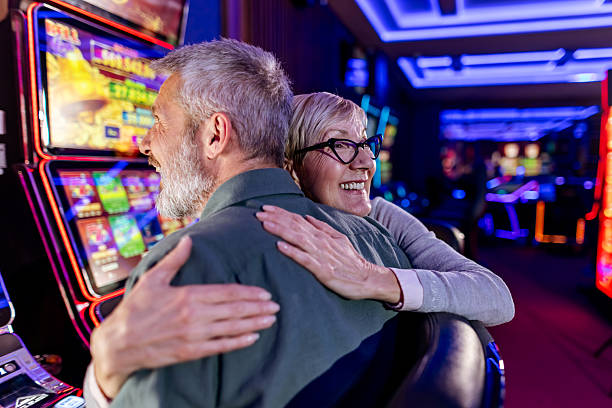
However, the social environment can also have negative implications. Compulsive gamblers may feel pressure to continue betting to maintain their social status or avoid disappointing friends. This complicates their relationship with gambling, transforming what might start as a fun social outing into a compulsive behavior driven by the desire to conform to group dynamics. Understanding these social influences is vital for grasping the full spectrum of casino gambling behavior, as they can heavily impact individual choices and experiences within the gambling space.
The Impact of Escapism
For many, casino gambling serves as a form of escapism, allowing individuals to detach from the pressures and stresses of everyday life. The immersive environment of a casino, coupled with the excitement of potential financial gain, provides an alluring distraction from routine challenges. This temporary escape can be particularly attractive to those facing difficulties, as it offers a chance to immerse themselves in a different reality where the thrill of winning can overshadow their personal struggles. The fantasy of gambling can provide a brief respite, creating a feeling of being in control and experiencing a rush of adrenaline.
Furthermore, this escapism can lead to a cycle where individuals regularly seek solace in gambling as a coping mechanism. Initially, the excitement and distraction may seem harmless, but over time, frequent escapism can contribute to the development of gambling addiction. The initial thrill can soon give way to a compulsive need to gamble, as individuals lose sight of their original intention of relaxation and enjoyment. This psychological facet is crucial for understanding why some individuals find themselves entrapped in a cycle of gambling despite negative consequences.
In many cases, casinos strategically design their environments to facilitate this escape. The absence of clocks, the seamless transition between gaming areas, and the allure of lavish décor all contribute to creating a disorienting experience where players lose track of time and reality. As players become increasingly engrossed in this fantasy, they may disregard their limits and indulge further in gambling pursuits, which can lead to severe financial and emotional repercussions. Recognizing the importance of this escapism can help individuals navigate their relationship with gambling more effectively.
The Influence of Gambling Myths and Strategies
The psychology of casino gambling is also shaped by myths and beliefs that players hold about games and strategies. Many gamblers cling to various superstitions or perceived strategies they believe can enhance their chances of winning. For instance, players may have specific rituals before placing bets, or they may believe that certain machines are “due” for a win based on previous outcomes. These beliefs create an illusion of control over an inherently unpredictable environment, which can be comforting to players seeking to make sense of their experiences.

These myths can lead players to make irrational decisions based on emotional drives rather than rational thought. For example, a player who recalls a winning streak may increase their bets, believing that they are on a lucky streak, even when statistical probabilities indicate otherwise. This cognitive bias illustrates the disconnect between rational decision-making and the emotional responses that gambling elicits. Such irrational behaviors ultimately shape a player’s actions and choices within the casino, often leading to greater losses.
Additionally, the entertainment value associated with these myths can captivate players, making the act of gambling more engaging and enjoyable. While some players may be aware that their strategies lack a solid foundation, the sheer enjoyment derived from these beliefs can perpetuate gambling behavior. The thrill of superstition can add another layer of excitement, as players feel a connection to their luck and outcomes. Understanding this psychological phenomenon can provide insight into why many individuals continue to gamble despite evidence that contradicts their strategies or beliefs.
Website Focus and Support Resources
Our website serves as a valuable resource for those seeking to understand the complexities of casino gambling and the psychological factors that drive it. We aim to provide comprehensive information on various aspects of gambling behavior, including the emotional, social, and cognitive influences at play. This knowledge serves not only to enlighten players but also to promote responsible gambling practices, helping individuals make informed choices in their gaming experiences.
In addition to educational resources, our platform offers support for individuals grappling with gambling addiction. We recognize that the allure of casinos can lead to challenges beyond entertainment, and we are committed to providing resources and guidance for those in need. Through articles, expert advice, and connections to counseling services, our goal is to foster a community that prioritizes safe and informed gambling habits, offering help to those who may feel overwhelmed by their gambling behavior.
By exploring the psychology behind casino gambling, we hope to empower individuals to make informed decisions while enjoying gambling as a form of entertainment. Our commitment to education and support reflects our understanding of the profound impact that gambling can have on individuals and their families, promoting a healthier relationship with gaming in all its forms. We believe that informed players are more likely to engage responsibly and enjoy their gambling experiences without compromising their well-being.